5 years apart with a third dose after they turn age 65 if at least 5 years have passed since the last dose. Patients with underlying chronic disease should probably be revaccinated every 5 years.
 Pin On Infographics Of Interest
This dose should be given at least 5 years after the most recent dose of PPSV23.

Pneumonia vaccine every 5 years. In children less than 5 years of age effectiveness of conjugate vaccines against IPD due to serotypes contained in the vaccine is estimated to range from 86 to 97. The Pneumovax 23 covers twenty three different variants of the pneumococcal bacteria. Pneumococcal polysaccharide 23-valent Pneu-P-23 vaccine efficacy against IPD is estimated to be 50 to 80 among the elderly and in high-risk groups.
The second vaccine PPSV23 has been available for more than 30 years and is recommended for children two years and older. There are 2 types. PPSV23 at 1964 years At least 5 years apart.
An annual flu shot influenza vaccine is probably also indicated. As many as 7 percent die from these infections. Following vaccination with PPV23 antibody levels decline after 510 years and decrease more rapidly in some groups than others.
Four shots at 2 months 4 months 6 months and then a booster between 12 and 15. If a person received one dose of PPSV23 prior to the age of 65 years they should get one final shot after this age. The same is true for people who have had surgery to remove the spleen or who have a spleen that is not working.
Adults get pneumococcal pneumonia every year. Pneumonia killed 808 694 children under the age of 5 in 2017 accounting for 15 of all deaths of children under five years old. PCV13 at 1964 years At least 8 weeks apart.
Patients with no risk factors should get 1. However many doctors do give a second shot 5 to 10 years after the first shot. The rate of vaccine-related systemic adverse reactions was higher following revaccination 331 than following initial vaccination 217 in subjects 65 years of age or older and was similar following revaccination 375 and initial vaccination 355 in subjects 50-64 years of age.
However they should wait until it has been at least 5 years since the first. Pneumonia is the single largest infectious cause of death in children worldwide. Pneumonia affects children and families everywhere but is most prevalent in South Asia and sub-Saharan Africa.
People who smoke those with chronic lung disease and those with impaired immunity can get the first pneumonia shot at any age. Indicated to receive 1 dose of PCV13 at 19 years and 1 or 2 doses of PPSV23 at 19 through 64 years. Pneumococcal polysaccharide vaccine PPV Pneumovax is one brand gives at least 85 protection in those under 55 years of age for five years or longer.
For adults 65 years or older who do not have an immunocompromising condition cerebrospinal fluid leak or cochlear implant and want to receive PCV13 AND PPSV23. It protects against 23 types of pneumococcal bacteria. There were nearly 3000 reported deaths from invasive pneumococcal disease IPD in 2014 the most recent year for which the Centers for Disease.
Patients with risk factors 1 through 9 above should get one dose of PPSV23 before age 65 and then a second dose after they turn 65 years if at least 5 years have passed since the last dose. Booster doses of pneumococcal vaccine. In healthy adults revaccination is not indicated necessary.
The pneumonia shot is especially recommended if you fall into one of these age groups. If youre at increased risk of a pneumococcal infection youll be given a single dose of the PPV vaccine. But if your spleen does not work properly or you have a chronic kidney condition you may need booster doses of PPV every 5 years.
According to the National Foundation of Infectious Diseases NFID about 1 million US. PPSV23 at 1964 years At least 5 years apart. I was told by my doctor that my pneumonia jab was for life but i see on healthtap doctors say pneumonia vaccine is needed every 5 or 6 yrs is it true.
Administer this last dose at least 5 years after the prior PPSV23 dose. The different types of pneumococcal vaccine The type of pneumococcal vaccine youre given depends on your age and health. Nizar Kherallah answered 30 years experience Pediatric Pulmonology Pneumovax.
Younger than 2 years old. No -- Give vaccine if more than 5 years since last vaccine otherwise wait until 5 years have passed. En español While pneumococcal disease is often mild it can sometimes have serious and even deadly repercussions for those 65 years or older particularly when the bacteria that causes it invade the lungs causing pneumonia.
Anyone who received any doses of PPSV23 before age 65 should receive 1 final dose of the vaccine at age 65 or older. Pneumonia vaccine is good for 5-10 years. Revaccination 5 years after the first dose of PPSV23 is recommended for 1 children and adults younger than age 65 years at highest risk for serious pneumococcal infection or who are likely to have a rapid decline in antibody levels see next QA and 2 adults age 65 years and older who received their first dose for any indication when they were younger than age 65 years.
People with a long-term health condition may need just a single one-off pneumococcal vaccination or vaccination every 5 years depending on their underlying health problem.
Pneumococcal vaccines are vaccines against the bacterium Streptococcus pneumoniae. Its also known as the pneumonia vaccine.
 Hyperpyrexia May Be Associated With Bacterial Infections Though Viral Infections Are Still The Most Pediatrics Pediatric Patients Community Acquired Pneumonia
Getty Images Pneumococcal vaccination is a method of preventing a specific type of lung infection pneumonia that is caused by the pneumococcus Streptococcus pneumoniae bacterium.

Bacterial pneumonia vaccine. Adults who need this vaccine only get 1 shot. Deciding whether you need the pneumonia vaccine isnt always clear-cut. PCV13 Prevnar 13 PPSV23 Pneumovax23 PCV13.
The pneumococcal conjugate vaccine PCV13 is recommended for children under age 5. Bacterial pneumonia is a substantial cause of childhood morbidity and mortality worldwide but determination of pathogen-specific burden remains a challenge. The pneumococcal vaccine protects against serious and potentially fatal pneumococcal infections.
People 65 or older. People who have a high risk of bacterial pneumonia. Healthcare providers recommend this vaccine for anyone over 65 years of age people with certain underlying conditions and people who smoke.
The pneumonia shot is a vaccine that helps protect you against pneumococcal disease or diseases caused by bacteria known as Streptococcus pneumoniae. PPSV23 Pneumovax a pneumococcal polysaccharide vaccine against 23 types of the bacteria and PCV13 Prevnar 13 Source. In fact Streptococcus pneumoniae the bacteria that causes pneumococcal disease is the No.
Get the pneumococcal vaccine if you are 65 years or older Turner advises. Childhood bacterial pneumonia and empyema are potentially preventable diseases through vaccination. Vaccines help prevent pneumococcal disease which is any type of illness caused by Streptococcus pneumoniae bacteria.
PCV13 Prevnar 13 is for. A new vaccine targeting dozens of new strains of pneumonia could potentially save hundreds of thousands of lives according to researchers. Early studies show the new vaccine effectively protects.
In less developed settings the WHO recommended guidelines are useful for initiating care but are non-specific. Doctors give this vaccine to children at 2 4 6 and 12 through 15 months old. There are two vaccines for pneumonia that protect against different types of the infection.
The vaccine is usually administered during wellness or prevention visits and cannot be given to a child with a fever. The pneumococcal polysaccharide vaccine PPSV23 is recommended for all adults age 65 and over plus younger individuals with certain risk factors. There are 2 pneumococcal vaccines licensed for use in the United States by the Food and Drug Administration.
These bacteria complicate both influenza and COVID-19 often. There are two commonly given vaccines the pneumococcal vaccine and the Hib vaccine that protect against bacterial pneumonias. There are two kinds of pneumococcal vaccines available in the United States.
PCV13 helps protect people from 13 of the most severe types of bacteria that cause pneumonia. There are two types of vaccine. It also aids in preventing these diseases from spreading.
There are two types of pneumococcal vaccines. Pneumococcal conjugate vaccine or PCV13. Prevnar 13 external icon.
So if Australia can develop an effective vaccine we could prevent children from being. There are two kinds of shots for bacterial pneumonia. The World Health Organization WHO recommends the use of the conjugate.
Vaccination against a pneumococcal bacterial infection helps prevent you or your child from becoming sick from pneumococcal diseases. Conjugate vaccines and polysaccharide vaccines. Pneumococcal infections are caused by the bacterium Streptococcus pneumoniae and can lead to pneumonia septicaemia a kind of blood poisoning and meningitis.
Get the flu vaccine annually influenza on its own is unpleasant but it can also lead to pneumonia. The pneumococcal vaccine series started at two months of age significantly reduces the rates of bacterial pneumonia from Strep. So if Australia can develop an effective vaccine we could prevent children from being hospitalised with pneumonia and empyema Empyema is infected fluid around the lungs and about 1 per cent of children hospitalised with pneumonia develop it.
Their use can prevent some cases of pneumonia meningitis and sepsis. There are separate pneumonia vaccines for adults and children. Pneumococcal polysaccharide vaccine PPSV23.
Pneumococcal polysaccharide vaccine or PPSV23. 1 cause of pneumonia worldwide. Kids under 5 years.
The vaccine can help protect you from. Childhood bacterial pneumonia and empyema are potentially preventable diseases through vaccination. Childhood bacterial pneumonia and empyema are potentially preventable diseases through vaccination.
So if Australia can develop an effective vaccine we could prevent children from being. While pneumonia is usually mild it can have deadly consequences for portions of the population especially people over the age of 65. They are given by injection either into a muscle or just under the skin.
The symptoms of COVID-19 pneumonia may be similar to other types of viral pneumonia. Vaccines against pneumonia such as pneumococcal vaccine and Haemophilus influenza type B Hib vaccine do not protect against coronavirus which is a newly discovered virus with no vaccine or.
 Coronavirus Sars Cov 2 Covid 19 Antibodies Biomarkers
The pneumonia vaccine protects against a kind of bacteria not the coronavirus.
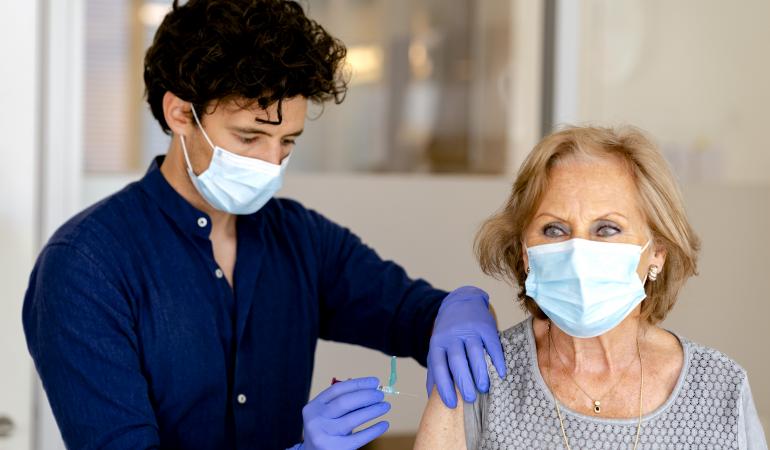
Pneumonia vaccine coronavirus. A recent research paper published in the BSIs official journal Clinical Experimental Immunology explored the relationship between BCG vaccination status and COVID-19 disease severity in patients from a country with a long-standing BCG vaccination programme. Vaccines against pneumonia DO NOT protect against the COVID-19 virus. Still it can support your overall health especially if youre older or have a weak immune system.
The pneumonia shot can help protect you against getting really sick with other types of viruses like influenza but not from the coronavirus which causes pneumonia all by itself. Pneumococcal Recommendations for Older Adults There are two vaccines that help prevent pneumococcal disease among adults 65 years or older. These bacteria complicate both influenza and COVID-19 often leading to death.
Two vaccines offer protection against pneumococcal disease. I also found that pneumococcal Hib and. For now taking precautions is the best way to stop the spread of the coronavirus.
However most people who get COVID-19 have mild or moderate symptoms like coughing a fever and shortness of. The yearly influenza season threatens to make the COVID-19 pandemic doubly deadly but I believe that this isnt inevitable. Cleveland Clinic is a non-profit academic medical center.
As yet there is no vaccine for COVID-19 either. Pneumococcal vaccine reduces all-case pneumonia bronchiolitis and asthma At the same time in 2012 the Fiji government introduced a routine infant immunisation schedule for ten-valent. Pneumonia vaccines can potentially reduce the impact of viruses such as COVID-19 said researchers adding that it has reduced illness and death in patients with pneumonia serious lung conditions.
Getting a flu or pneumonia vaccine can help in the fight against the coronavirus according to a Northeast Florida infectious disease doctor. The World Health Organisation WHO clearly and categorically states that vaccines against pneumonia do not protect against the COVID-19 virus. The virus is so new and different that it needs its own vaccine.
Roper did say that the Streptococcus pneumoniae vaccine could protect against pneumonia brought on by SARSCoV2. Vaccines for pneumonia only prevent certain types of. Pneumococcal and Hib vaccinations should protect coronavirus patients from these infections and thus significantly cut the risk of serious pneumonia.
The effect of BCG vaccination on COVID-19 COVID-19 severity and death differ between countries with different public health policies. We know that the flu vaccine. John Ong urged the Philippines to.
According to the WHO the pneumonia vaccine does not protect against the new coronavirus. Vaccination against pneumonia helps the body indirectly strengthen itself against the coronavirus disease 2019 COVID-19 according to a pediatric specialist. Vaccines against pneumonia such as pneumococcal vaccine and Haemophilus influenza type B Hib vaccine do not provide protection against the new coronavirus.
There are two commonly given vaccines the pneumococcal vaccine and the Hib vaccine that protect against bacterial pneumonias. My examination of disease trends and vaccination rates. Vaccines against pneumonia such as pneumococcal.
The pneumonia shot also known as the pneumococcal vaccine guards against one of the most common causes of bacterial pneumonia but it does not protect against COVID-19. Volunteer in vaccine trial dies of COVID-19 pneumonia A volunteer not pictured above in a Peruvian trial of a Chinese vaccine died of pneumonia related to COVID-19 however she had been. Advertising on our site helps support our mission.
Both vaccines are safe and effective but they cannot be given at the same time.
Both vaccines are designed to be more effective in older adults. According to the CDC in adults 65 and older the PCV13 vaccine has a 75 effectiveness rate.
 Cd7b2cee8f32a1a8f386c19fab395ec4 Jpg 720 720 Pixels Pediatric Nursing Nursing School Tips Nursing School Notes
Senior author Professor Adam Jaffe Head of the School of Womens and Childrens Health at UNSW Medicine Health said the researchers findings suggested an emergence of non-vaccine serotypes those which 13vPCV does not cover.

Pneumonia vaccine for seniors. Pneumovax 23 pneumococcal vaccine is an immunization used to prevent pneumonia. Senior author Professor Adam Jaffe Head of the School of Womens and Childrens Health at UNSW Medicine Health said the researchers findings suggested an emergence of non-vaccine serotypes. Adults 19 through 64 years old who smoke cigarettes.
There is a high-dose flu vaccine and an adjuvanted flu vaccine which includes an adjuvant substance that creates a stronger immune response. As their names imply. 3 Annals of Internal Medicine.
Pneumococcal polysaccharide vaccine PPSV23. The CDC has long recommended that in order to acquire the best protection against all strains of bacteria that cause pneumonia all adults 65 and older should receive two pneumococcal vaccines. The committee recommended that seniors get both the Prevnar 13 and the Pneumovax 23 vaccines.
The impetus for the report comes out of the need to bring attention to critical gaps in vaccine uptake among seniors especially against influenza shingles and pneumonia-the three most common. For the past 30 years or so the CDC has recommended that everyone ages 65 and older get a single-dose pneumonia vaccine called pneumococcal polysaccharide vaccine 23 PPSV23. Senior author Professor Adam Jaffe Head of the School of Womens and Childrens Health at UNSW.
Prevnar 13 one of the pneumococcal vaccines used to be recommended for all older adults in addition to Pneumovax 23. Approximately 7000 Australians under the age of 18 are hospitalized with pneumonia each year. Healthcare providers recommend this vaccine for anyone over 65 years of age people with certain underlying conditions and people who smoke.
Approximately 7000 Australians under the age of 18 are hospitalised with pneumonia each year. A study by Falkenhorst et al. 25-63 I2 0 and one case-control study with a vaccine effectiveness against PP of 53 95 CI 33-685 Htar et al65 also conducted a systematic review of 33.
Its also known as the pneumonia vaccine. There are two vaccines for pneumonia that protect against different types of the infection. Learn more about flu vaccines for adults age 65 and older.
Pneumococcal infections are caused by the bacterium Streptococcus pneumoniae and can lead to pneumonia septicaemia a kind of blood poisoning and meningitis. Pneumococcal vaccination is recommended for the following groups. The American Academy of Family Physicians recommends that seniors who have not had either pneumococcal vaccine should get a dose of PCV13 first and then a dose of PPSV23 6-12 months later.
The pneumonia shot is recommended for the following groups. The pneumococcal conjugate vaccine PCV13 or Prevnar 13 followed by the pneumococcal polysaccharide vaccine PPSV23 or Pneumovax at a later visit. Pneumonia vaccines can prevent serious infections from the most common strains of pneumococcal bacteria.
All babies and children younger than 2 years old. A UNSW Sydney-led medical research team has called for a new vaccine improved strategies and enhanced monitoring to combat serious complications from childhood pneumonia. The new recommendations were published in the Feb.
The researchers examined. All adults 65 years or older. PCV13 helps protect people from 13 of the most severe types of bacteria that cause pneumonia.
This pneumococcal vaccine contains chemicals polysaccharides extracted from 23 types of Streptococcus pneumonia bacteria. But recently the CDCs expert vaccine panel advised that people 65. If you have recently had a dose of PPSV23 your doctor will wait at least one year to give you PCV13.
The pneumococcal vaccine protects against serious and potentially fatal pneumococcal infections. Upon injecting pneumococcal vaccine the body recognizes these chemical as foreign and produces antibodies to destroy the chemicals. Provided a pooled estimate for vaccine effectiveness in preventing pneumococcal pneumoniaPP based on two cohort studies to be 48 95 CI.
The vaccines cannot be given at the same time. All infants and children younger than 2 years adults over the age of 65 people who have long-term or chronic health conditions. This vaccine is also recommended for those between the ages of two and 64 who are at high risk of getting pneumonia or other S.


